7 Steps to Follow When You Need a Desentupidora em Itatiba SP
The most common mistake people make when a drain backs up in Itatiba is waiting too long. They hope the water will go down, pour in another bottle of chemical cleaner, and only call for help when the kitchen floor is already flooded. I did exactly that the first time, and it turned a small clog into a full weekend of cleanup. If you want to avoid that, here is the checklist I now follow, in order, whenever I need a desentupidora em Itatiba SP.
1. Stop the Water and Identify the Type of Clog
Before you call anyone, close the nearest shut-off valve or stop using the fixture. Then look at where the water is backing up. A single slow sink usually means a local blockage in the trap or the branch line. Water rising in the shower, the toilet, and the laundry drain at the same time points to a problem in the main sewer line.
This distinction matters because it changes the equipment the technician will bring. A simple sink clog may need a hand auger, while a main-line blockage often requires a motorized snake or hydrojetting. When you describe the symptoms accurately, the team arrives prepared instead of making two trips.
Never keep using other drains in the house after a backup starts. Every flush or load of laundry adds more water to a line that is already blocked.
2. Skip the Chemical Drain Cleaners
I learned this the hard way. Caustic drain cleaners can dissolve grease and hair, but they also sit in the pipe and can damage older PVC joints or cast-iron lines. Worse, they do not remove the root cause. If the blockage is tree roots or a collapsed section, the chemical does nothing except make the pipe hazardous for the person who has to open it.
If you already poured a cleaner in, tell the technician before they start. They need to wear the right gloves and eye protection. A professional desentupidora Itatiba will appreciate the warning and can flush the line safely before using mechanical tools.
3. Gather the Right Information Before You Call
When you phone a company, have a few facts ready. The dispatcher will ask for your address, the type of property, and whether the problem is in a house, apartment, or commercial kitchen. They will also want to know if there is a septic tank or if the property connects to the municipal sewer.
Write down what you observed: which fixtures are affected, when the problem started, whether there is a bad smell, and if you have had this issue before. This saves time and helps the company quote the job more accurately. In my experience, a clear description often means the technician brings the right cable length and nozzle on the first visit.
- Address and nearest cross street
- Type of property and number of floors
- Which drains are slow or backing up
- Any recent construction, tree planting, or heavy rain
- Whether a septic tank is on the property
4. Ask About Emergency Availability and Response Time
Sewer problems do not wait for business hours. A backup at 11 p.m. on a Saturday needs a team that actually answers the phone. Ask directly whether the company offers 24-hour emergency service and how long it usually takes to reach your neighborhood in Itatiba.
It is also fair to ask about the after-hours rate. Some companies charge a premium for nights and weekends, and you want to know that before the truck arrives. A reputable desentupidora Itatiba SP will explain the pricing structure clearly over the phone rather than surprising you with a bill later.
Confirm the call-out fee and the hourly rate separately. A low call-out fee can hide a high hourly charge once the work begins.
5. Understand the Methods the Technician May Use
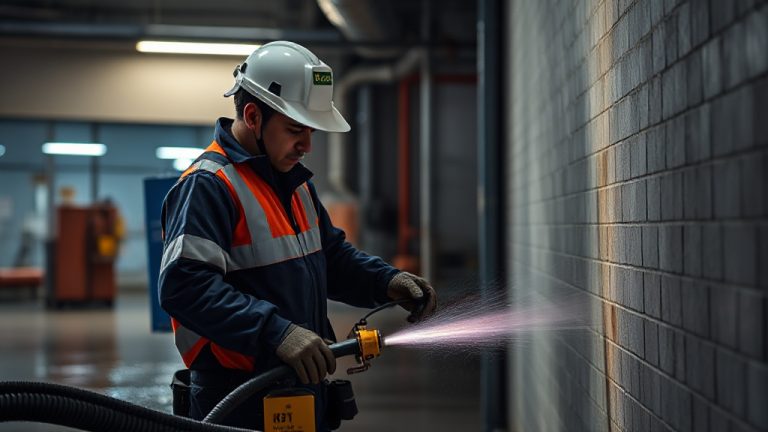
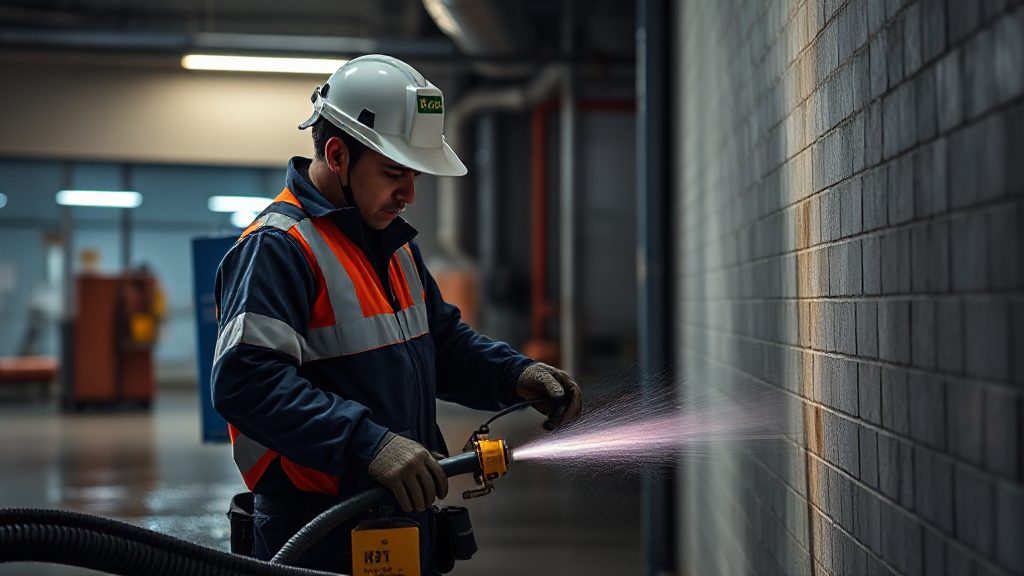
There is more than one way to clear a drain, and the right method depends on the clog. A manual auger or drain snake is common for small pipes and short blockages. For larger lines, a rotating cutting tool can break through roots and hardened grease. Hydrojetting uses high-pressure water to scour the pipe walls clean, which is often the best choice for grease-heavy commercial kitchens.
If the problem is in a septic tank, the solution may be pumping and cleaning rather than snaking. Ask the technician to explain what they found and why they chose a particular method. A good professional will show you the camera footage if they use a inspection camera, and they will tell you if the pipe needs repair rather than just clearing.
| Method | Best For | Typical Use |
|---|---|---|
| Hand auger / snake | Sinks, showers, short branches | Small clogs near the fixture |
| Motorized cable | Main lines, roots, heavy buildup | Longer runs and tougher blockages |
| Hydrojetting | Grease, scale, full-pipe cleaning | Commercial kitchens and preventive maintenance |
| Septic pumping | Filled tanks and drain field issues | Properties not connected to the sewer |
6. Watch for Warning Signs of a Bigger Problem
Sometimes a clog is just a clog. Other times it is a symptom. If the same drain backs up every few months, if you notice sinkholes or soft spots in the yard, or if there is a persistent sewage smell even after cleaning, the pipe may be cracked, offset, or root-invaded. In those cases, snaking the line only buys time.
Ask the company whether they offer a camera inspection. Seeing the inside of the pipe turns guesswork into a real diagnosis. It also gives you a record you can use if you need to involve a landlord, a condominium manager, or a contractor for repair work.
Repeat backups in the same spot are a red flag, not a coincidence. Treat them as a signal to inspect the line rather than just clear it again.
7. Confirm Cleanup, Warranty, and Prevention
Before the technician leaves, ask what cleanup is included. A professional service should remove debris, flush the area, and leave the workspace sanitary. Ask whether the work carries any warranty period, especially if the clog was caused by roots or a structural issue that may return.
Finally, ask for prevention advice specific to your property. In Itatiba, older homes often have clay or cast-iron lines that benefit from periodic hydrojetting. Restaurants need grease trap maintenance on a schedule. Homeowners should avoid flushing wipes, hair, and kitchen grease, and should know where the main cleanout is located. A few minutes of prevention saves hours of emergency work later.
That is the checklist I wish I had the first time. Stop the water, skip the chemicals, gather the facts, confirm availability and pricing, understand the method, watch for bigger warning signs, and confirm cleanup and prevention. Follow those steps and the whole process becomes a routine maintenance task instead of a household crisis.
About the Author