Inside a 24-Hour Callout in Cidade Líder, Hour by Hour
At 11:40 pm, the laundry drain in my Cidade Líder apartment started backing up with soapy water and lint. I had never called a plumber at night, and I honestly wondered whether anyone would answer. If you are searching for a desentupidora Cidade Líder São Paulo SP because something just overflowed, the short answer is yes: a 24-hour emergency crew can pick up, dispatch, and clear a residential line before sunrise. This is what that night looked like from the first ring to the final flush.
11:40 pm — The First Call and What Dispatch Asks
I dialed the number expecting a voicemail. A dispatcher answered on the second ring and asked four practical questions: the address, whether the backup was in a sink, floor drain, or toilet, whether water was still rising, and whether the property was a house or a condominium. Those answers decide which truck and which tools get sent.
The dispatcher told me to stop using water in the affected area, avoid chemical drain cleaners, and move anything stored on the floor away from the drain. She also gave me a rough arrival window and a reference number. That structure mattered more than the reassurance, because it told me the call was being logged rather than improvised.
If you live in a building, the call is often made by the síndico or building manager rather than the resident. In that case, dispatch will ask for the registration or authorization contact so the crew is not turned away at the gate. For a desentupidora em Cidade Líder São Paulo SP, the difference between a house and a condominium changes the access plan, not the urgency.
12:10 am — Dispatch, Route, and Arrival in Cidade Líder
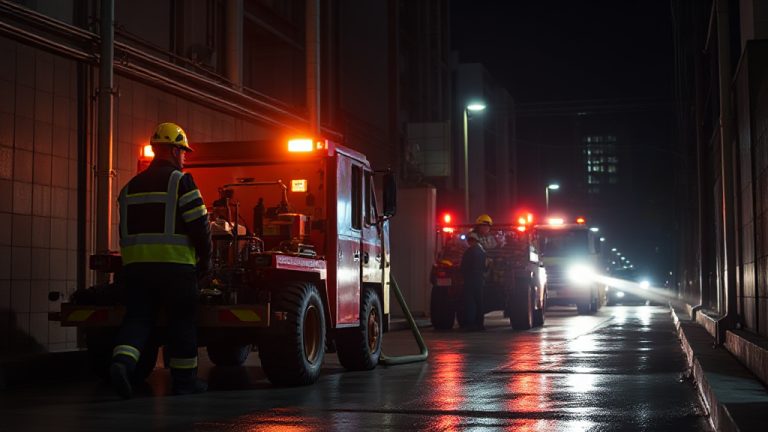
While I waited, I watched the street. Cidade Líder sits in a dense part of São Paulo’s east zone, with a mix of low houses, small commercial fronts, and mid-rise condominiums. At night, the main avenues are quiet enough that a service van can move quickly, but narrow side streets and gated entrances still slow things down.
The van arrived at 12:10 am. Two technicians in uniform introduced themselves, confirmed the reference number, and asked me to show them every drain that had backed up, not just the laundry one. That detail matters: a single overflowing drain is often a symptom, and the real blockage may sit further down the line.
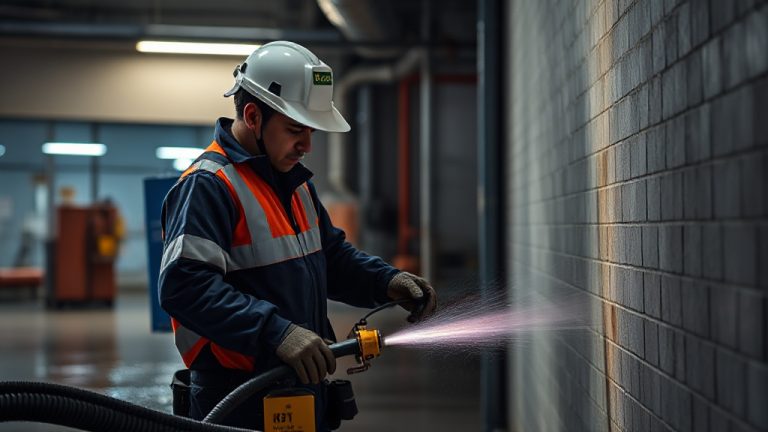
What the crew brings on a night call
- A motorized drain snake for small and medium lines
- A high-pressure hydrojetting unit for grease, scale, and roots
- A inspection camera for lines that keep backing up
- Protective covers, gloves, and containment materials
Not every job needs every tool. The crew decides after the diagnosis, which is why the first ten minutes on site are mostly looking and listening.
12:25 am — Diagnosis Before Any Drilling or Jetting
The technicians started at the laundry standpipe and worked backward. They ran water in small amounts, watched how fast it rose, and checked the floor drain in the service area. When the floor drain also gurgled, they suspected a shared branch line rather than a single trap.
This is the part that separates a proper callout from a quick poke with a snake. A blockage located in the branch line needs a different approach than a clogged P-trap under one sink. The crew explained what they were checking and why, which made the eventual fix easier to trust.
They also asked about the building’s age and whether the line had backed up before. Older properties in the area often have cast iron or clay lines with joints that catch debris, while newer builds may have PVC with fewer but sharper bends. That history shapes the choice between snaking and hydrojetting.
12:50 am — Clearing the Line: Snaking, Jetting, and the Trade-Offs
The crew chose a motorized snake first. It is the least invasive option for a line that is blocked but structurally sound. The cable went in through the cleanout, and within minutes it pulled back a mat of lint, soap residue, and hair. Water started moving, but not freely.
That partial flow is a warning sign. A line that drains slowly after snaking usually has grease or scale coating the pipe walls. The crew switched to hydrojetting, using high-pressure water to scour the inside of the pipe rather than just punch a hole through the clog. This is the same principle used in preventive maintenance for shared sewage lines, and it is why commercial kitchens and condominiums schedule it before problems appear.
When each method makes sense
| Method | Best for | Limitation |
|---|---|---|
| Motorized snake | Hair, lint, paper, small obstructions | Can leave grease and scale behind |
| Hydrojetting | Grease, soap residue, roots, scale | Requires a line in good condition |
| Camera inspection | Repeat backups, suspected cracks or roots | Diagnostic only, not a clearing tool |
By 1:30 am, the laundry drain was flowing and the floor drain had stopped gurgling. The crew ran water for several minutes to confirm the line held, then cleaned the area and bagged the debris. No chemical cleaner was used, which matters because caustic products can damage older pipes and are dangerous to handle at night.
2:00 am — The Paperwork, the Cost, and What Comes Next
Before leaving, the technicians wrote a short service report: what was found, what was done, and what to watch for. They recommended a camera inspection if the same line backed up again within a few months, because repeat clogs in the same spot usually point to a structural issue rather than bad luck.
The cost of a night callout is higher than a daytime visit, and that is normal across the industry. You are paying for availability, dispatch, and a crew that arrives when most businesses are closed. A desentupidora Cidade Líder should explain the price before starting work, and a written estimate protects both sides.
One practical tip from that night: keep the cleanout accessible. In my case, a stack of storage boxes had to be moved before the crew could work. Ten minutes of prep saves time and money when the next backup happens.
3:30 am — Why Night Calls Fail, and How to Avoid a Repeat
Not every night call goes smoothly. The most common failures are avoidable: a gate that nobody can open, a missing cleanout cover, or a resident who poured chemical cleaner into the line before calling. Each of these adds time and, in the case of chemicals, can create a hazard for the technicians.
Prevention is less dramatic but far cheaper. Avoid pouring grease down the kitchen drain, use strainers in showers and laundry sinks, and schedule a preventive cleaning if your property has had more than one backup in a year. For condominiums, a shared maintenance plan for the sewage network is usually more cost-effective than emergency calls.
By 3:30 am, the apartment was quiet, the drain was clear, and the only evidence of the night was a neatly folded service report on the counter. I had called at 11:40 pm expecting a voicemail. What I got was a dispatcher, a crew, a diagnosis, and a fix before dawn — which is exactly what a 24-hour callout is supposed to deliver.
About the Author